Nepal’s primary stock market has experienced massive growth, with millions of retail investors actively participating in public offerings across hydropower, finance, insurance, and manufacturing sectors. Once a public issue closes, the most eagerly anticipated announcement for every investor is the Mero Share IPO Allotment Result. Checking your share allocation status quickly and accurately allows you to bypass server traffic jams and verify whether your application was successful in the computerized lottery.
In this updated step-by-step guide, we break down the fastest official platforms to check your Mero Share IPO Allotment Result, explain key application status terms, troubleshoot common verification glitches, and address frequently asked questions from retail investors.
Official Platforms to Check Your Mero Share IPO Allotment Result
To ensure smooth system performance during major allotment days, CDS and Clearing Limited (CDSC) and financial regulators have established multiple verification channels. Here are the four primary platforms where you can view your share distribution details.
1. The Dedicated CDSC IPO Result Web Portal
The specialized CDSC web portal remains the fastest, lightweight channel for checking results. Built specifically to handle high concurrent traffic without requiring user login, this platform prevents server slowdowns on allotment day.
- Step 1: Launch your web browser and go to iporesult.cdsc.com.np.
- Step 2: Choose the issuing company from the drop-down menu list.
- Step 3: Enter your unique 16-digit BOID (Beneficial Owner Identification) number.
- Step 4: Click View Result to display your allocation details instantly.
If you were selected in the draw, the screen will reflect the exact number of units credited to your Demat account (typically 10 units for general public offerings). Otherwise, a message stating that no shares were allotted will appear.
2. The Mero Share Mobile App and Web Dashboard
For investors who want a comprehensive look at their complete application history and transaction details, logging directly into the main Mero Share service is the ideal option.
- Step 1: Access meroshare.cdsc.com.np or open the Mero Share app on your mobile device.
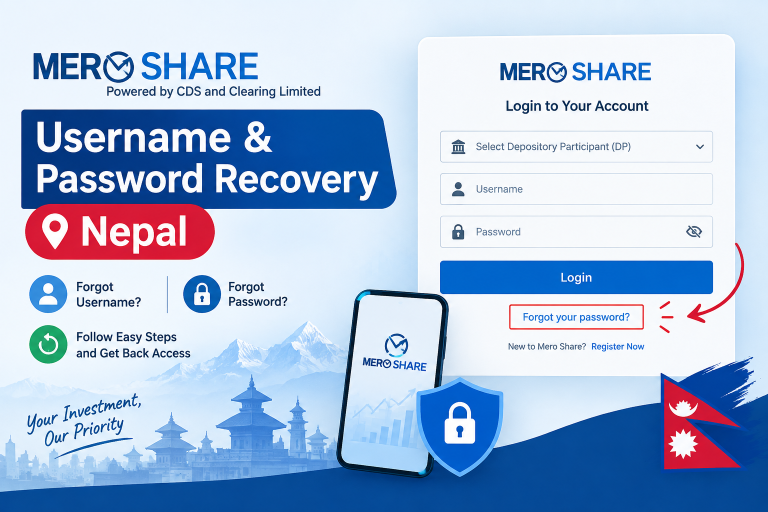
- Step 2: Select your Depository Participant (DP), enter your Username, and submit your Password/PIN.
- Step 3: Open the sidebar menu and navigate to My ASBA.
- Step 4: Select the Application Report tab.
- Step 5: Locate the respective company issue and click on the Report button.
This dashboard provides itemized details, including the total applied units, bank balance verification status, and final allotted quantity.
3. Merchant Banker / Issue Manager Portals
Each company launching an IPO assigns a licensed merchant bank (such as Sanima Capital, Nabil Investment Banking, Global IME Capital, or Prabhu Capital) to manage the issue. Issue managers host independent search tools directly on their websites on allotment day.
- Visit the main web portal of the assigned issue manager.
- Look for the IPO Allotment Status or Share Allotment Query section.
- Select the relevant company, enter your 16-digit BOID, and submit to check your result.
4. The Issuing Company’s Investor Portal
Regulatory mandates require issuing companies to publish allotment status directly on their corporate web portals. By navigating to the investor relations section of the company’s website, you can enter your 16-digit BOID to review your share application status.
Deciphering Mero Share Application Statuses
When monitoring your application inside the Mero Share dashboard, you will encounter specific status flags that indicate where your file sits in the allotment pipeline:
- Applied: Your request was successfully transmitted through Mero Share and is awaiting bank verification.
- Verified: Your C-ASBA registered bank confirmed sufficient available balance, locked the application funds, and cleared your submission for the computerized draw.
- Unverified / Rejected: The application failed system checks due to insufficient funds, mismatched bank details, or duplicate BOID applications.
- Allotted: Your BOID was selected in the randomized computerized lottery, and shares have been allocated to your account.
- Not Allotted: Your application was valid and verified, but your BOID was not drawn during the randomized allocation process due to heavy oversubscription.
Troubleshooting Common Verification Bottlenecks
With millions of active Demat accounts across Nepal, technical hiccups can happen on result day. Here is how to navigate standard system issues efficiently:
1. High Traffic Server Congestion
Issue: Mero Share pages fail to load or timeout during peak announcement hours.
Solution: Use the dedicated portal (iporesult.cdsc.com.np) instead of logging into your full Mero Share dashboard. If traffic remains saturated, wait 30–40 minutes before re-checking.
2. “BOID Not Found” Notifications
Issue: The system returns an error message claiming your BOID does not exist in the allotment database.
Solution: Verify that all 16 digits of your BOID are correct. Confirm that the issue manager has finished uploading the final database and ensure you selected the correct company from the portal menu.
3. Delayed Bank Balance Unblocking
Issue: Your application displays “Not Allotted,” but your bank account funds remain locked under lien.
Solution: C-ASBA balance releases are processed automatically through interbank systems within 2 to 4 business days following the draw. If your funds remain frozen beyond 5 business days, submit a request to your bank’s C-ASBA desk referencing your CRN number.
Summary of Verification Channels
Use this quick comparison table to choose the most efficient checking option based on your needs:
| Platform | Speed & Reliability | Required Credentials | Ideal Use Case |
|---|---|---|---|
| CDSC IPO Portal (iporesult.cdsc.com.np) | Fastest / High Reliability | 16-Digit BOID + Company Selection | Quick direct checks on allotment day without logging in. |
| Mero Share Web & App | Moderate (Slow during peak hours) | DP, Username, Password, PIN | Reviewing complete application history and C-ASBA statuses. |
| Issue Manager Website | Fast / Reliable Backup | 16-Digit BOID + Company Selection | Alternative option if CDSC portal encounters traffic. |
| Issuing Company Portal | Moderate / Reliable Backup | 16-Digit BOID | Secondary backup tool for verification. |
Frequently Asked Questions (FAQs)
How long after an issue closes is the Mero Share IPO Allotment Result declared?
In most cases, the official allotment process takes between 3 to 7 business days following the public issue closing date. Once the issue manager holds the formal draw in the presence of regulators, results are uploaded to the CDSC portal within a few hours.
Why did my application show “Not Allotted” when I applied early on the first day?
The time or date you submit your application does not impact your chances in the draw. Under standard regulatory guidelines, all valid, verified applications are placed into an automated computer lottery where each winning BOID receives a minimum module (typically 10 units). Application timing offers no priority advantage.
Can I check my IPO allotment status without logging into my Mero Share account?
Yes. You can visit the official CDSC result portal (iporesult.cdsc.com.np) or the issue manager’s website. Both allow you to query your status immediately using only your 16-digit BOID number without signing into your account.
What happens to my money if my application is marked “Not Allotted”?
When your status is “Not Allotted,” your C-ASBA bank automatically releases the lien (hold) on your account balance. Your funds remain in your account and become available for withdrawal or transfer within 2 to 4 working days after the allotment announcement.
Conclusion
Checking your Mero Share IPO Allotment Result is straightforward once you know where to look. To avoid server delays on heavy allotment days, bypass the main login screen and rely on the dedicated CDSC result portal (iporesult.cdsc.com.np) or merchant banker tools for instant updates.
Always keep your Demat account active, check your C-ASBA verification statuses early, and track incoming primary issues to build your portfolio strategically in Nepal’s growing capital market.